Building a Montessori Partnership: Questions to Ask Educators
Quick Answer
The relationship between your family and your child’s Montessori Guide is one of the most important factors in how well Montessori works for your child. Asking the right questions early — before enrollment and during the first weeks — helps you understand how the classroom supports your child specifically, and gives Guides the information they need to meet your child where they are. Minnesota Montessori in Shakopee, MN welcomes these conversations as part of the process.
The Tour Is the Beginning of the Partnership, Not Just a Preview
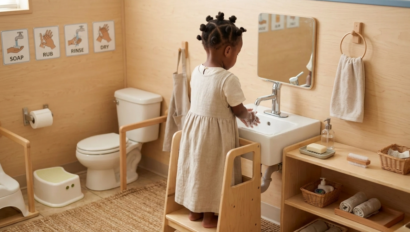
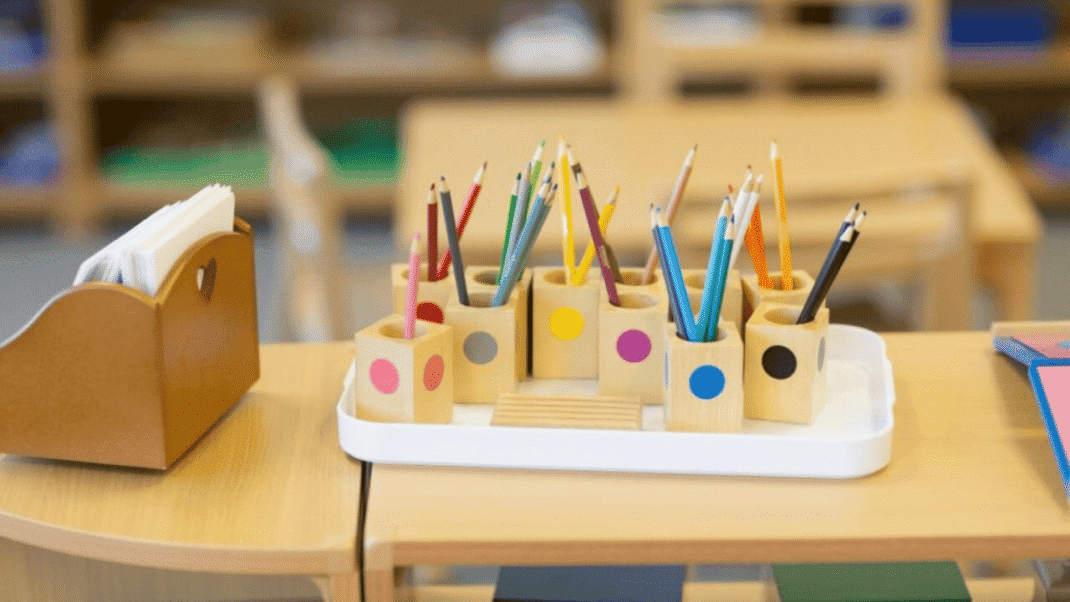
When stepping into our Montessori preschool, parents immediately notice an orderly, calm space designed to foster deep concentration and self-directed learning. While observing the prepared environment is essential, the dialogue you begin with our Montessori-trained guides forms the foundation of a multi-year partnership.
Our Montessori-trained guides serve as keen observers and mentors rather than traditional lecturers. By observing your child during long, uninterrupted work periods, guides introduce self-correcting materials tailored to sensitive periods of cognitive and emotional development. The insights you share from home routines directly inform how your child’s guide prepares individual lessons.
What to Ask About Your Child’s Day-to-Day Experience
When you meet with a Guide for the first time, the most useful questions are the ones that help you picture your child’s actual day — not the philosophy in the abstract, but the specific rhythm of how the classroom works.
Here are the kinds of questions that tend to open real conversations:
- “How do you track what each child is working on, and how will you share that with us?”
- “When a child is having a hard time choosing work, what does a Guide typically do?”
- “What does the first few weeks look like for a new child who is still adjusting?”
- “How do you handle it when a child is ready to move forward faster than the group, or needs more time with something?”
These questions give you concrete answers and give the Guide a chance to show you how they think. A Guide who can walk you through a specific scenario — what they observe, what they decide, what they do next — is showing you exactly the kind of attentiveness that Montessori depends on.
How to Share What You Know About Your Child
The other part of this partnership is what you bring to the conversation. While your child’s Guide gets to know them in the classroom, you know them in all the moments beyond it: during the morning routine, at the dinner table, on weekends, and in the hours after school. Those insights are incredibly valuable and help create a more complete picture of your child.
Before your first meeting, it can be helpful to think about a few things. What does your child naturally gravitate toward during free time? What tends to frustrate them, and how do they usually work through those moments? Are there any sensitivities, such as noise, transitions, or certain textures, that would be helpful for the Guide to know? Is there anything happening at home that could affect how your child is feeling or showing up at school?
According to the American Montessori Society, the relationship between families and Guides is strongest when it is built on open, ongoing communication. Families share observations from home, Guides share what they are seeing in the classroom, and together they use those insights to better support the child. It is not a one-time conversation at the beginning of the year, but an ongoing partnership that grows alongside your child.
Questions to Ask as the Year Gets Underway
The first tour conversation is different from the check-in you have in October, and that one is different from the spring conference. Each has its own purpose. As the year moves forward, the most useful questions shift from “how does this work” to “how is my child doing, specifically.”
Some questions worth returning to as the year unfolds:
- “What work is my child choosing most consistently right now, and what does that tell you about where they are developmentally?”
- “Are there areas where you are seeing them push through something that is challenging? What does that look like?”
- “Is there anything I can do at home to support what you are working on in the classroom?”
- “Have you noticed anything about how my child interacts with the community that I should understand?”
These questions do not require a scheduled conference to ask. A brief exchange at pickup, a short note, or a message through the school’s communication system can keep the conversation moving between formal check-ins.
What a Strong Partnership Actually Looks Like Over Time
Families who feel most connected to their child’s Montessori experience often have a few things in common. They ask thoughtful, specific questions. They reach out when something is on their mind instead of wondering about it on their own. And they see their child’s Guide as a trusted partner, someone with valuable insights who also welcomes what families know about their child.
At Minnesota Montessori, Guides make time for these conversations because sharing information helps them better support each child. For example, if a family lets the Guide know their child is adjusting to a big change at home, the Guide can respond with greater understanding and care. If a child has a deep interest in animals, that knowledge may help the Guide introduce new lessons or materials in ways that build on that curiosity. Small details from home can make a meaningful difference in how a child experiences their day at school.
Frequently Asked Questions
How often can I talk with my child’s Montessori Guide?
Most Montessori schools schedule formal conferences one to two times per year, but many Guides are available for shorter conversations at pickup or through the school’s communication platform throughout the year. If something is on your mind, reach out — you do not need to wait for a scheduled conference. Guides generally prefer to hear about a concern early, when they have time to observe and respond thoughtfully.
What if my child is struggling and I am not sure how to bring it up?
If something doesn’t feel quite right, don’t hesitate to reach out. Start by sharing what you’ve been noticing at home, even if you’re not sure what it means. Small details can help your child’s Guide better understand what your child is experiencing.
For example, you might say, “I’ve noticed she’s been having a hard time at drop-off for the past few weeks,” or “He’s been talking a lot about school lately and seems more tired than usual.” Observations like these give the Guide a starting point so you can work together to understand what’s happening.
Adjustment periods are a normal part of starting school, and Guides are experienced in helping children through them. By sharing what you’re seeing at home and listening to what the Guide is noticing in the classroom, you can build a clearer picture of what your child needs and how to best support them.
Is it normal to feel like I do not fully understand what my child does each day?
Yes, especially in the first few months. The Montessori work period looks very different from what most adults experienced as children, and children are not always able to narrate what they did in a way that makes sense to parents. Asking the Guide to walk you through a specific work cycle, or to show you the materials your child has been using, helps fill in that picture. Many schools also offer parent orientation evenings for exactly this reason.
What questions are Guides most glad when families ask?
Most Guides appreciate questions that invite a conversation about your child’s growth and development, not just their progress toward a milestone. Instead of asking, “Is she on track?” you might ask, “What is she working on right now?” or “What have you noticed she’s really enjoying?” Questions like these create space for a richer conversation about your child’s learning, interests, and development.
Guides also appreciate when families ask how they can support their child’s learning at home. It reflects the shared partnership at the heart of Montessori, where families and Guides work together to help each child grow with confidence and independence.
What if my observations at home seem to contradict what the Guide is seeing at school?
This is more common than many families expect, and it’s a great topic to talk about with your child’s Guide. Children often behave differently at school than they do at home. They may seem more focused, more social, or even more independent in the classroom, while a child who has held it together all day might need to release those emotions once they’re back home.
If your observations don’t match what the Guide is seeing, don’t assume one perspective is right and the other is wrong. Instead, see it as an opportunity to better understand your child together. Sharing what each of you is noticing can help build a more complete picture of your child’s experiences and how to best support them in both environments.
Come See How We Partner With Families
Montessori works best as a shared project between the families it serves and the educators who show up every day to guide children through it. The questions you ask and the information you bring are not add-ons to your child’s experience — they are part of what makes it work.
We would love to show you what that partnership looks like at Minnesota Montessori. Schedule a tour and come meet our Guides in Shakopee, MN.
Related Posts
All Posts
Helping Your Toddler Through Drop-Off Anxiety in Shakopee, MN
Practical Life Activities for Montessori Families in Shakopee, MN